Toy Story 5 (2026) Review
Use Your Imagination. Make All Your Dreams Come True.
Overview
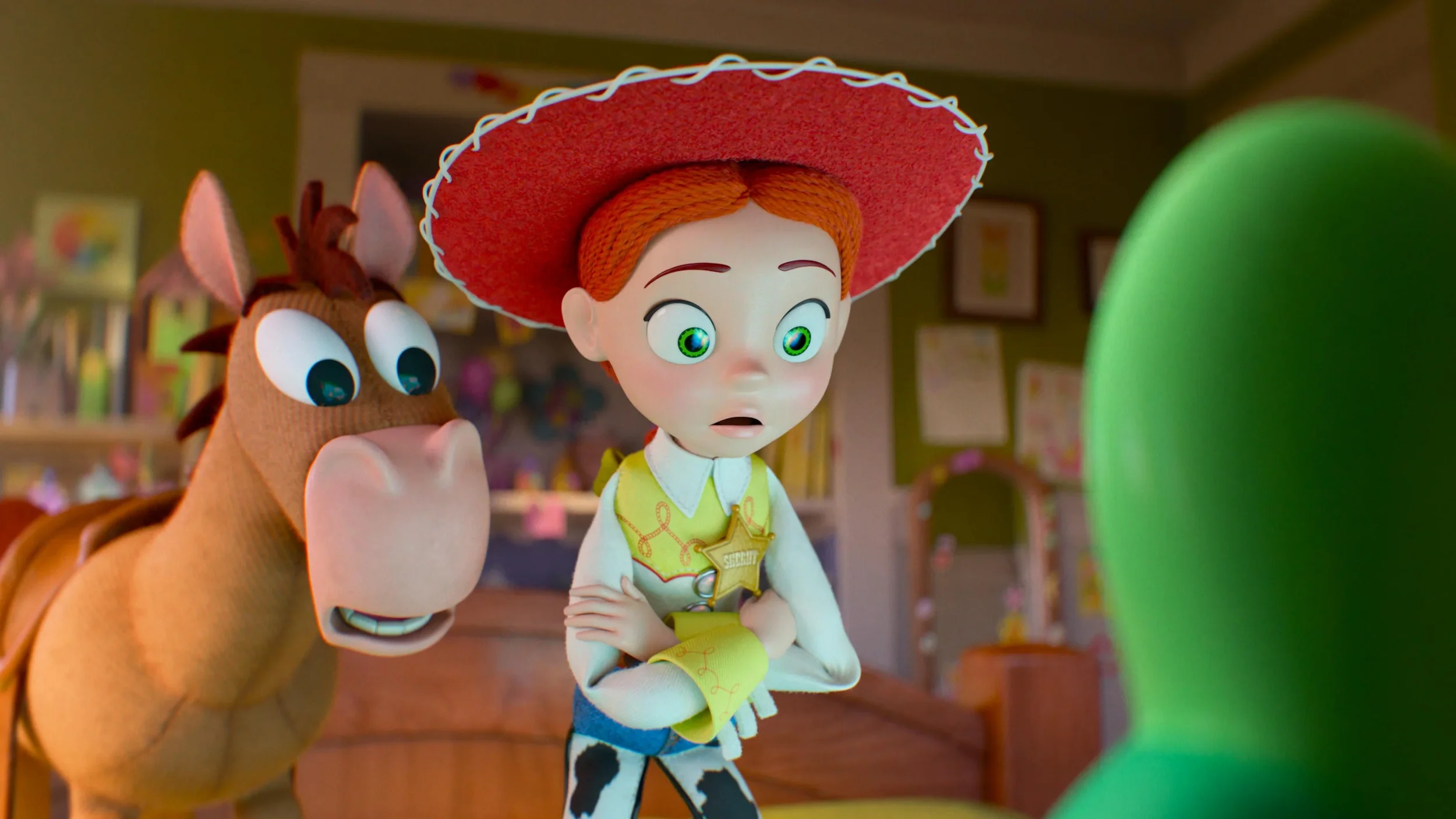
When Bonnie receives a Lilypad tablet as a gift and becomes obsessed, Buzz, Woody, Jessie and the rest of the gang's jobs become exponentially harder when they have to go head to head with the all-new threat to playtime.
PG | US | 1h 42m | Animation, Family, Adventure
Rating: ★★★☆☆ 3.5/5
I am a PBS Kid.
Not trying to date myself, but coming home to watch PBS Kids was a core part of my childhood. Cyberchase was my introduction to science fiction. Between the Lions and Dragon Tales opened the door to fantasy. Mr. Rogers Neighborhood taught me the value of being a good neighbor, while Disney's Out of the Box showed me what it meant to think “out of the box.” Not to mention Reading Rainbow, Arthur, and so many others. All of these shows, in their own way, pointed back to one idea: imagination.
Even the main PBS Kids jingle sticks with me:
“Oh, use your imagination. Think of what you can do.
Toy Story 5 feels like an extension of that idea but also a warning about what happens when imagination starts to fade or is in competition, with something that drains that space in our minds.
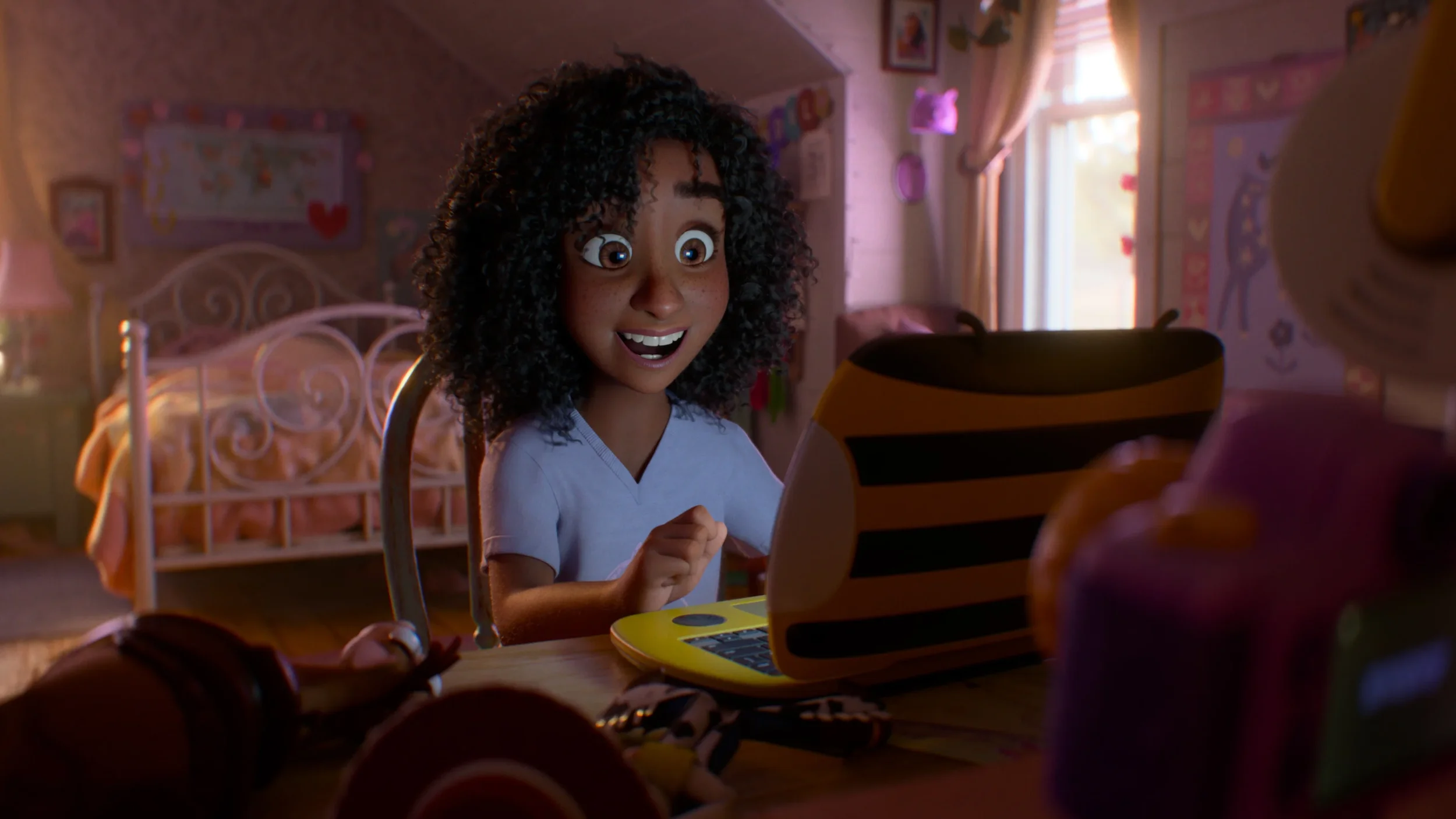
The film centers on Bonnie (Scarlett Spears), who struggles with feeling excluded and out of place. In an attempt to help her connect, her parents introduce a device that is meant to help. Instead of it fostering a real connection, it creates a different kind of isolation. The film smartly taps into how technology can feel like a connection while quietly replacing it, especially for kids who are still learning how to navigate the world.
This is where Jessie (Joan Cusack) steps in as the emotional anchor of the story. Now leading as the deputy, she makes it her mission to ensure Bonnie doesn’t lose that sense of play and also her childhood. She’s used to competing with other toys but we are now introduced to tech that is a barrier that she can’t simply outrun or outshine. Andy (Tim Allen) makes a brief appearance but doesn’t get much screen time. Instead, he’s given a recurring message to emphasize his age and let Jessie shine.
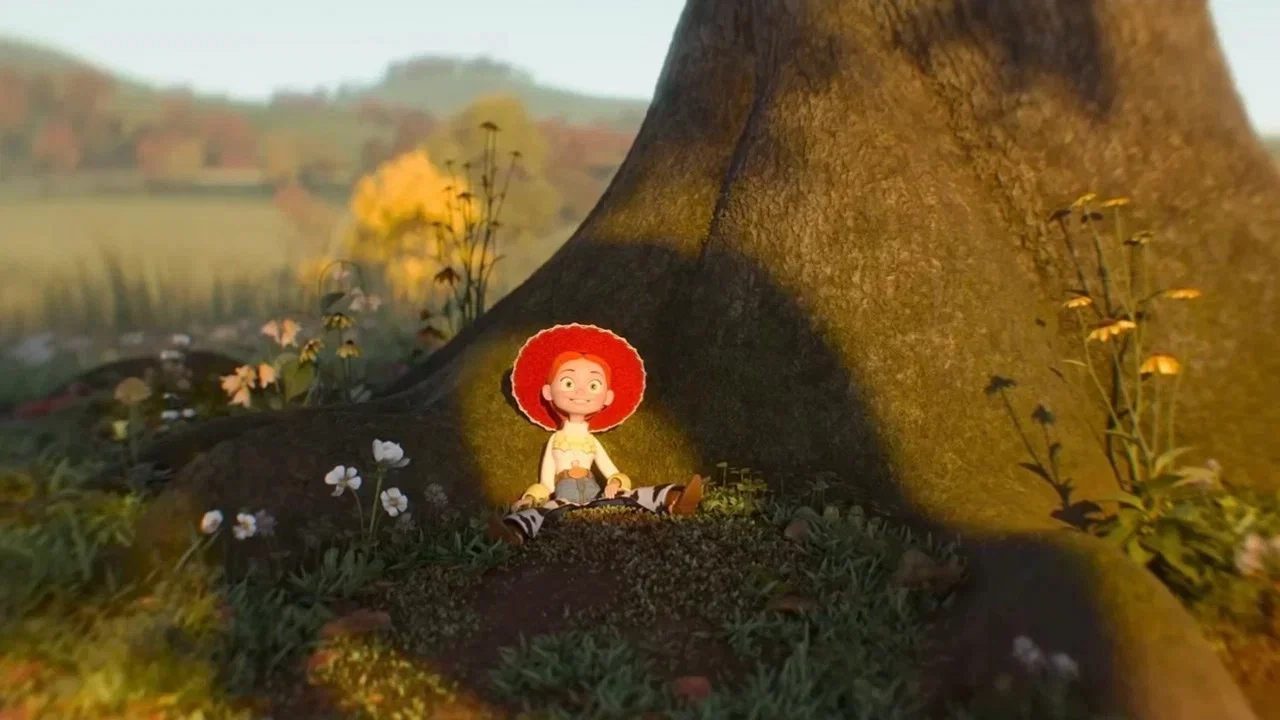
Her journey takes her to a new home, (which is actually her old home) where she encounters Blaze, a child navigating a similar transition. Like Bonnie, Blaze exists between imagination and the pull of technology, but what connects them is their shared instinct to play. Jessie recognizes this immediately and shifts her mission: Bonnie isn’t just going back to play, but will connect her with someone who actually understands her.
What the film does especially well is visualizing this contrast. When the kids are immersed in play, the world opens up: colors are vibrant, spaces feel limitless and dreamlike. It’s when the screens take over that everything shrinks. The lighting dims and that sense of wonder feels contained. It’s a subtle difference but an effective way of showing what’s at stake.
This story also reveals the feeling of relevance that Jessie has always grappled with. It’s a big reason why I believe Toy Story 2 is the strongest film in the franchise. The challenge is different but it’s about being replaced by an entirely different way of engaging with the world. The emotional weight of the film comes from that tension, especially as Jessie wrestles with the fear of becoming obsolete in a space that no longer values what she represents. It’s a place that brings the most amount of emotion and depth.
Now, the film isn’t without its flaws. The Buzz Lightyear subplot, featuring multiple versions of Buzz, feels disconnected and ultimately slows down the pacing. It diverts attention from the more grounded and emotionally resonant story between Jessie and Bonnie. Additionally, I feel that much of the original ensemble are pushed to the background in favor of newer characters and concepts. For instance, Smarty Pants (Conan O’Brien) is a character whose potty humor and comedic persona made me laugh, but it also contributed to the film feeling slightly unbalanced. The strength of these films often lies in the ability to utilize the entire cast to drive home its message.
But even with those issues, the heart of the film remains clear. Bonnie’s journey is ultimately about self-expression about being a kid who imagines freely, even when others don’t understand it. The ending when she finally connects with Blaze is so heartfelt and made me emotional. Two kids, allowed to be fully themselves, finding each other through play.
And that’s what brings me back to PBS Kids.
Toy Story 5 is ultimately asking kids to hold onto something that feels increasingly fragile in today’s world. With recent cuts to PBS, it feels like we’re losing more than just access to programming. We’re losing a kind of media that actively encourages imagination. Media that tells kids to be curious. To dream. To create without limits.
Instead, we’re watching technology accelerate everything. It’s pushing kids to “grow up faster”, to trade in imagination for convenience, for stimulation, for something that looks like connection but often isn’t. I find that there’s is more rigid thinking as opposed to ideas and thoughts that may challenge the status quo. The parents in this film were a big tipping point to me. They left space for the kids to be kids. To allow their self expression even if they did at times did not have the right safeguards. It’s a question we need to ask more of.
What are we doing to protect that space for imagination before it disappears? Or is it too late? Toy Story 5 has it’s challenges but you cannot deny its timely relevance to address the issues plaguing children.
