The death of robin hood (2026) Review
A melancholic deconstruction of a legend
Overview
Grappling with his past after a life of crime and murder, Robin Hood finds himself gravely injured after a battle he thought would be his last. In the hands of a mysterious woman, he is offered a chance at salvation.
R | US | 2h 13m | Adventure, Drama, Thriller
Rating: ★★★☆☆ 3.5/5
I think for many people, Robin Hood has become such a mythologized figure that every new adaptation is expected to recreate the legend rather than question it. The Death of Robin Hood has some compelling moments that really make it work. Instead of celebrating the folklore, we examine the end of a story of a man beneath the legend. This is the film that I am drawn to: Logan (2017), Unforgiven (1992), Train Dreams (2025), and Pig (2021), all come to mind as comparisons.
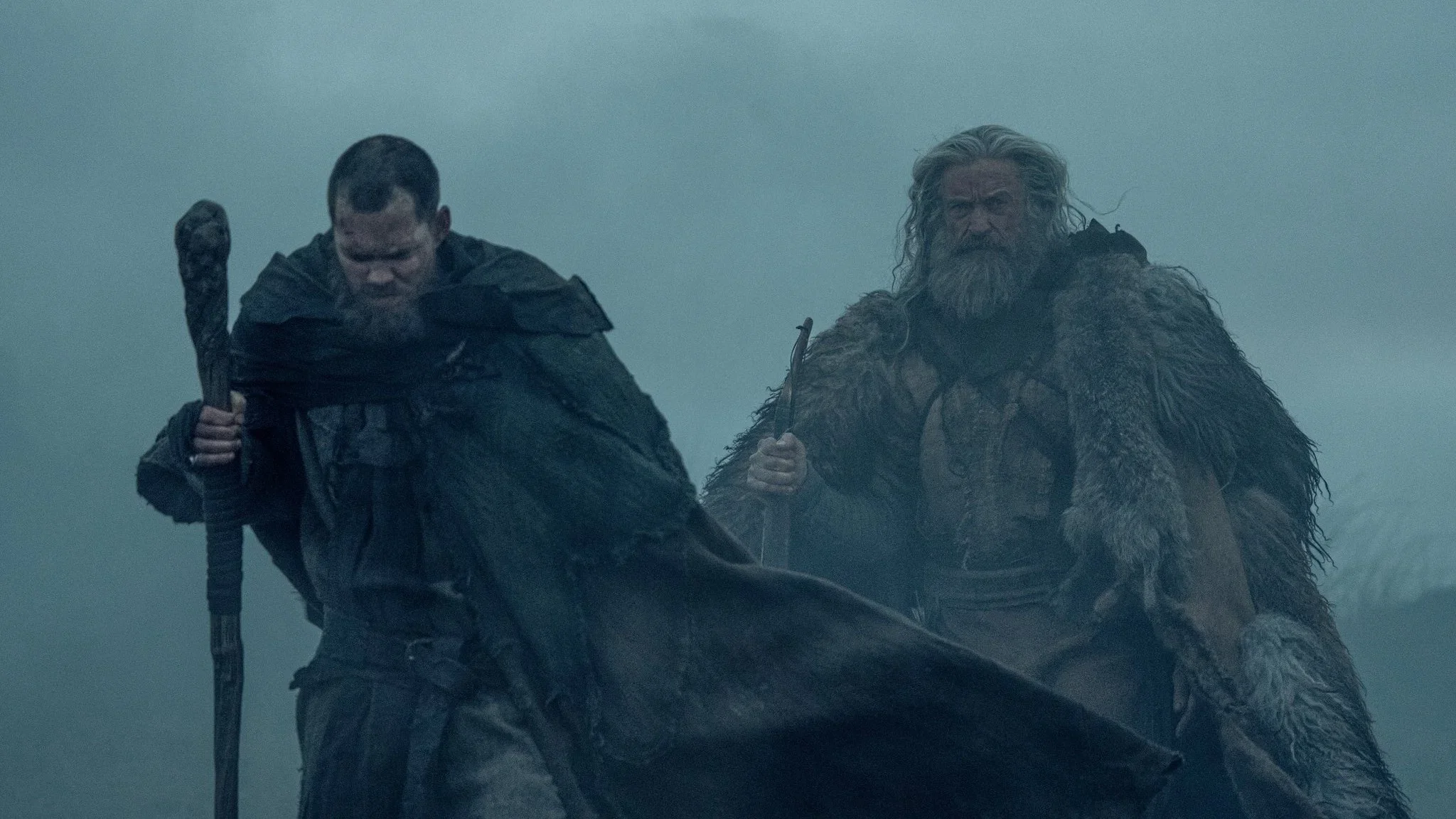
This isn't the swashbuckling Robin Hood audiences grew up with. Michael Sarnoski strips away the romanticism in favor of something weathered and mournful. After a brutal opening confrontation (the fire glowing in the darkness) leaves Robin gravely wounded, the film transforms into an introspective journey of physical and spiritual reckoning. Hugh Jackman gives a restrained performance, a man (Robin Hood) burdened not only by age and violence but by the weight of the life he's lived. When he encounters the mysterious woman played by Jodie Comer, the film shifts into something quieter: a meditation on forgiveness and whether redemption is ever truly possible.
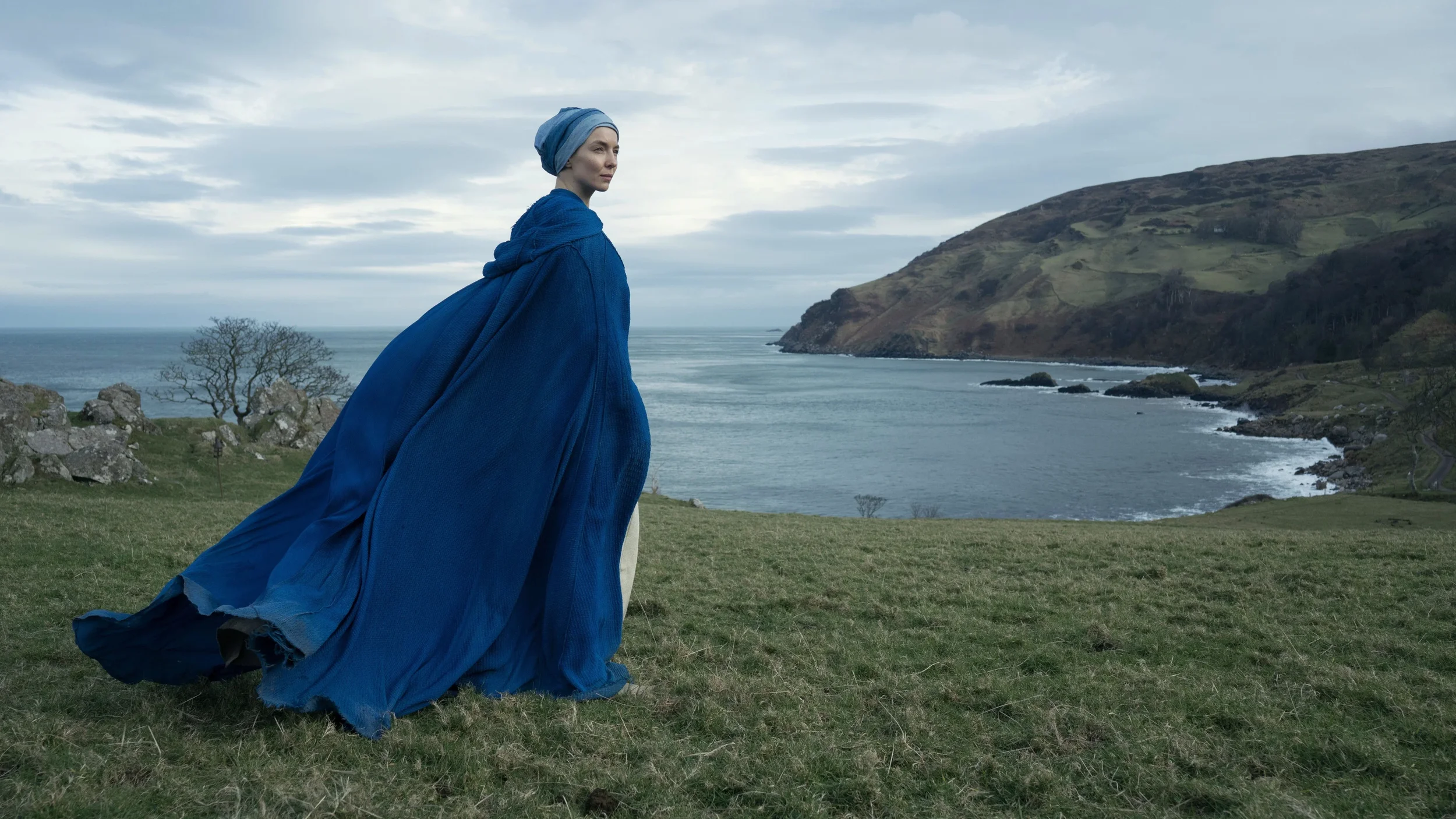
Jodie Comer really grounds the film as Sister Brigid to be the emotional center of the film. Her character enters Robin's life at his most vulnerable. While she tends to his wounds, she also challenges his ideals, even without knowing his full story. Comer brings a quiet compassion and emotional intelligence that gives the film much of its heart, and every scene between her and Jackman carries weight.
That search ultimately becomes one of salvation. The Death of Robin Hood isn't interested in whether Robin can survive his injuries as much as whether he can find peace with the choices that defined his life. The film looks at the vulnerability and ideas of accepting the consequences of your past. Salvation here isn't portrayed as absolution, if anything Robin desires to no longer live. He is ready to rest, and find peace that may exist after all his violence.
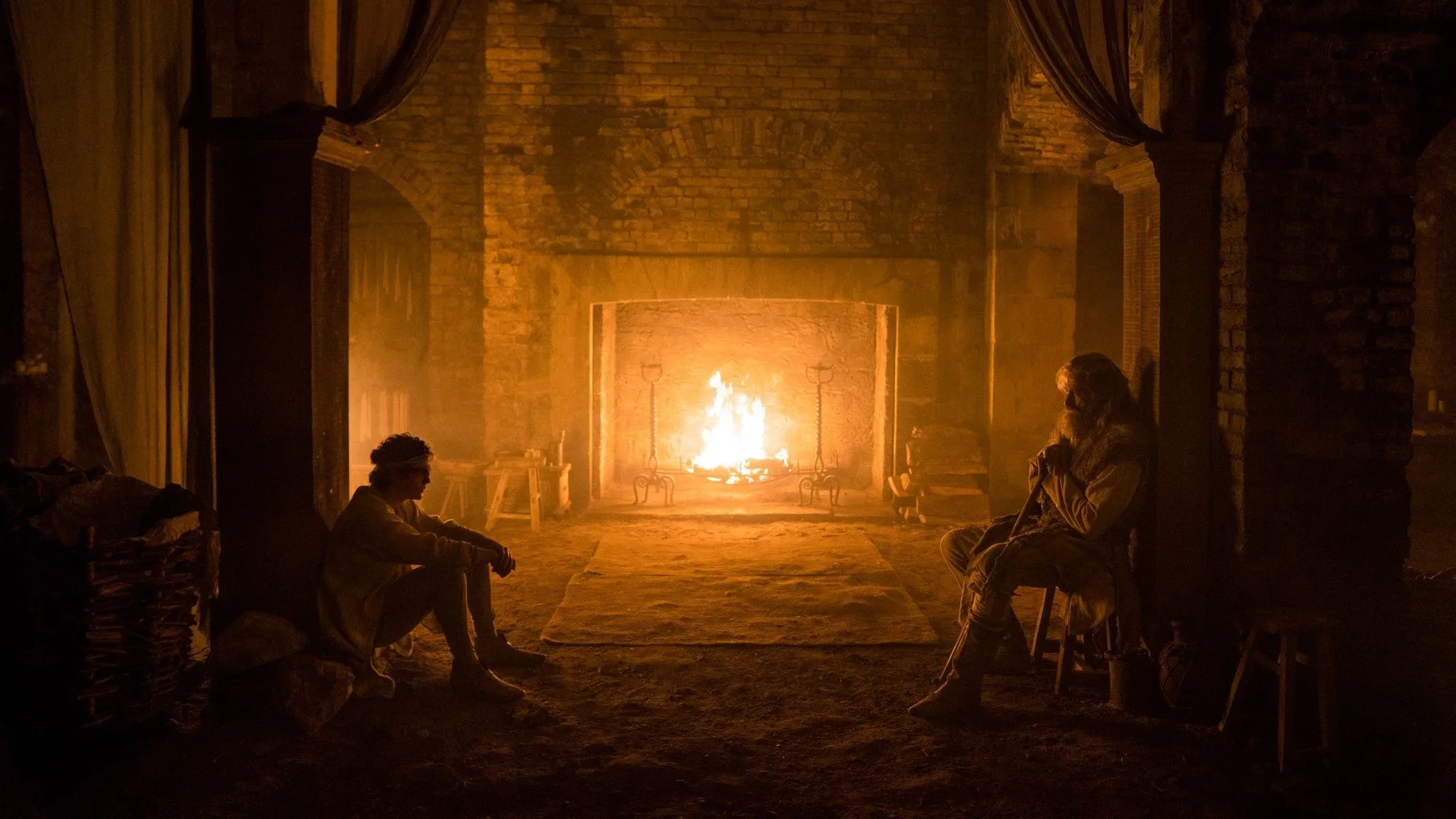
The pacing struggles because there's so much history and mythology surrounding Robin Hood that the film can only hint at the life that came before. It feels like there are so many entire chapters of this character's past are hanging just outside the frame. The pieces of the past are what would have helped tie this film together. But even when it slows down, Sarnoski never loses control of the atmosphere. Every frame feels soaked in melancholy, with haunting landscapes and a mythic sense of decay that makes the film feel like a legend slowly fading into memory.
The Death of Robin Hood gives us a thoughtful deconstruction of a legend. We trade the grand spectacle of his story with one of reflection, and I found that to be far more rewarding than another retelling of the familiar legend.
